Why the Sky Looks Blue: A Simple Explanation of Light Scattering
This article explains why the sky appears blue by breaking down how sunlight interacts with Earth’s atmosphere. It also touches on why sky colors change at sunrise and sunset.

This article explains why the sky appears blue by breaking down how sunlight interacts with Earth’s atmosphere. It also touches on why sky colors change at sunrise and sunset.
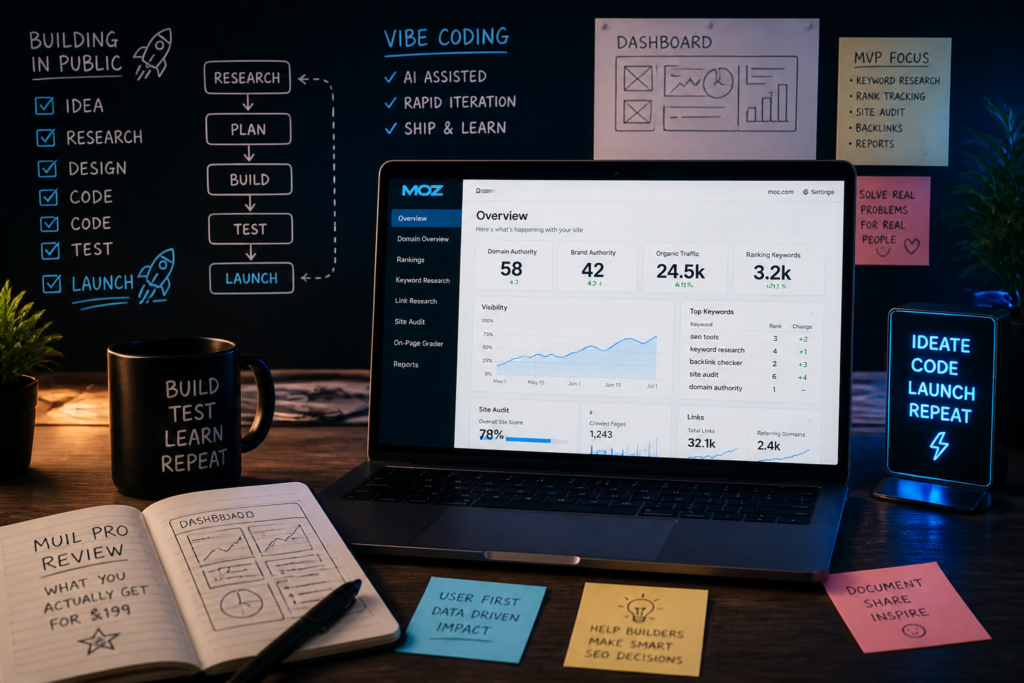
An honest breakdown of whether Moz Pro still makes sense in 2026 now that the free tier is gone and the platform starts at $199/month. This post looks at pricing, features, tradeoffs, and which users may be better off wi
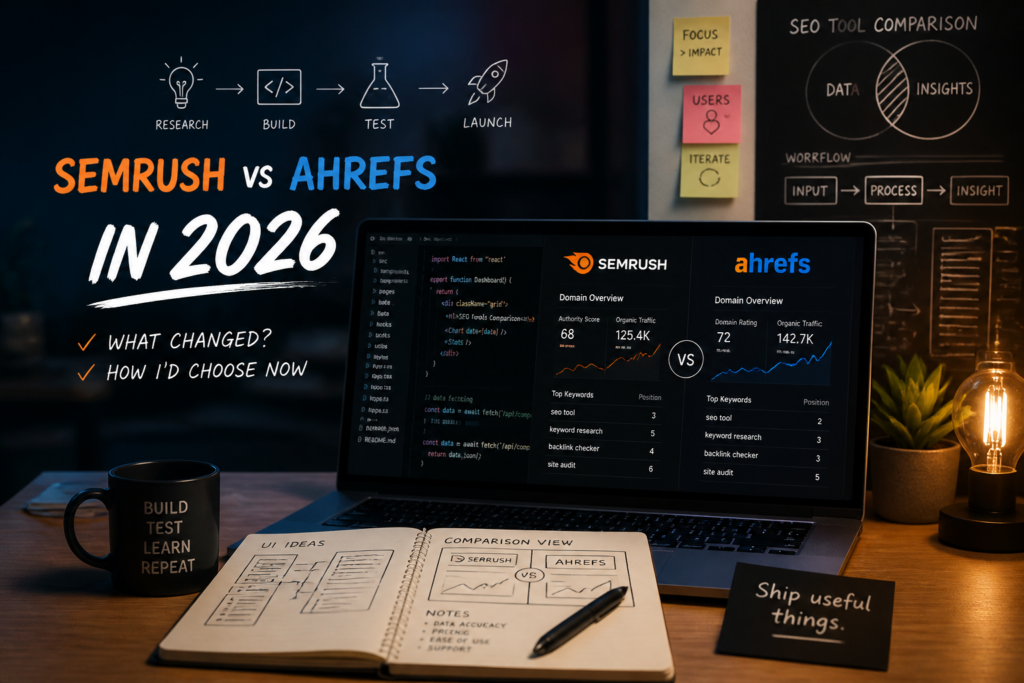
A builder-focused comparison of Semrush and Ahrefs in 2026, covering strengths, tradeoffs, and how to choose the right SEO tool for your workflow after major industry changes.

A real build log from an AI-assisted SaaS project where outdated framework assumptions caused auth, routing, Prisma, and Tailwind problems. It shows what broke, why it broke, and how shared project context reduced repeat

A look at where AI helped most in a real SaaS build, from auth flows to security checks and end-to-end tests. It also shows the obvious UI and browser issues it missed until a human called them out.

This article covers an invite system that mostly came together in one session, including roles, expiring tokens, and admin gating. It also shows the two places the implementation fell apart: a subtle Next.js hydration is

This piece traces several production-breaking bugs back to one root cause: the AI knew the APIs, but not the versions actually installed. The fix wasn’t another prompt. It was better build gates.
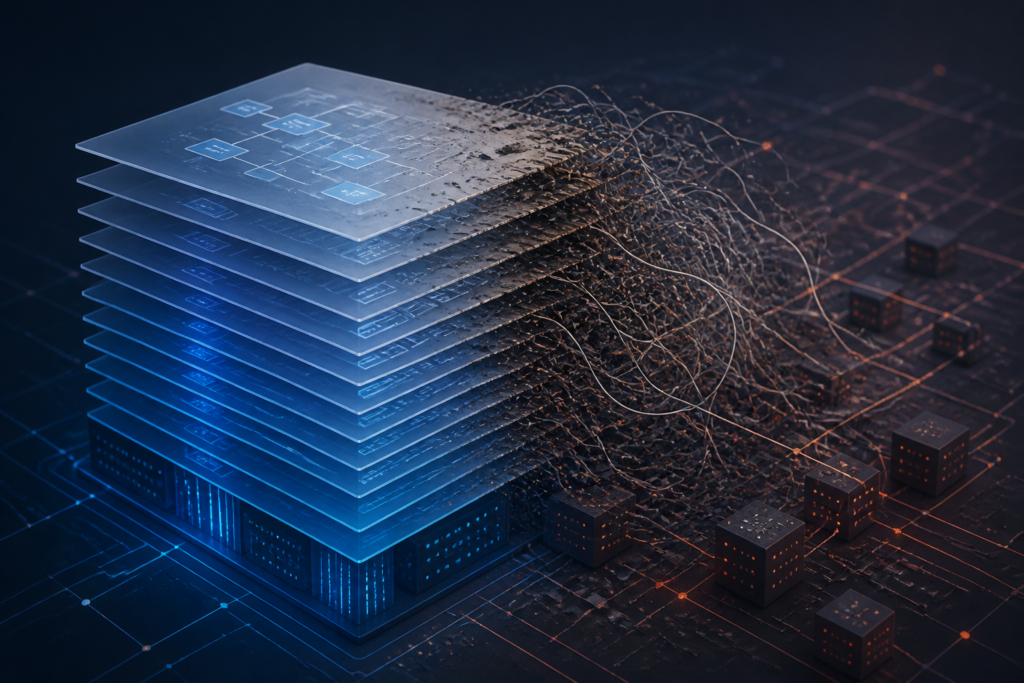
One session was spent comparing docs to the actual codebase, and the mismatch was bigger than expected. The code had moved forward, but the files meant to guide future AI sessions had quietly fallen behind.

The first version of the article tool handled metadata, content generation, and WordPress publishing across independent rows. Under the surface, it also baked in duplicate-post risks, weak state handling, and product gap
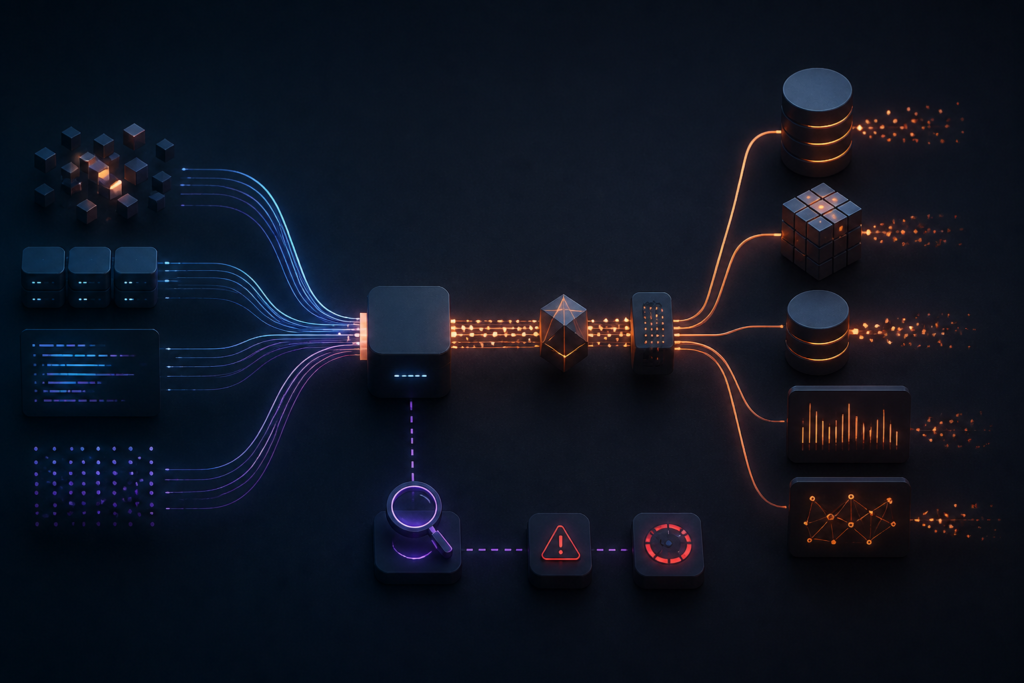
This article looks at a session where the AI started by proposing the logging design before touching code. That approach worked well, but two misses still made it through: a redaction rule that didn’t cover the main case